
International patient guide
Traveling to Germany for Orthopedic Treatment
What international patients can expect after receiving a surgical offer—from planning the trip to hospital care and follow-up.
Your case manager throughout the journey
Brett Bailey serves as the International Case Manager for OCG’s non-German patients. He coordinates communication with the medical team and helps patients understand the practical steps before travel, during the hospital experience, and after returning home. Brett is also a former patient of Dr. Karsten Ritter-Lang.
Before making travel plans
- Complete the medical evaluation. Submit the questionnaire and requested imaging.
- Review the surgical offer. Ask questions and make sure the proposed treatment, costs, and expected stay are understood.
- Confirm the date. Do not purchase nonrefundable travel until the hospital and surgical dates are confirmed.
- Complete preoperative requirements. The team will communicate any testing, medication, or clearance requirements.
- Plan for support. Discuss whether a companion should travel with you and what assistance you may need afterward.
What Brett can help coordinate
Before departure
- Communication with the German team
- Scheduling and next-step guidance
- Travel and accommodation information
- Questions about bringing a companion
- Preparing documents for the trip
After treatment
- Practical discharge communication
- Return-travel planning questions
- Connecting questions to the appropriate team
- General process support after returning home
- Coordination when further records are requested
The hospital experience
OCG works with an orthopedic hospital in Germany that treats both German and international patients. Details such as admission time, length of stay, rehabilitation, and discharge depend on the procedure and the patient’s medical needs. The hospital team will provide instructions specific to your treatment.
Traveling with a companion
A companion can provide reassurance and practical help, but every patient’s situation is different. Before booking, discuss the expected hospital stay, mobility after discharge, lodging, local transportation, and the timing of the return flight.
Returning home and follow-up
Follow the surgical team’s instructions concerning activity, wound care, medications, rehabilitation, and travel. Keep copies of your discharge documents and share them with your local physician when appropriate. New, worsening, or urgent symptoms require prompt medical attention locally.
A practical, personal point of contact
International treatment involves more than a surgical procedure. Brett’s role is to make communication and logistics easier so you know what comes next and who should answer each question. Medical advice remains the responsibility of the treating clinicians.
Read about Dr. Karsten Ritter-Lang or review the frequently asked questions.
Medical information notice: This page provides general educational information and is not medical advice. Only a qualified medical professional who has reviewed your history and imaging can recommend treatment. If you have a medical emergency or sudden neurological changes, seek immediate local medical care.
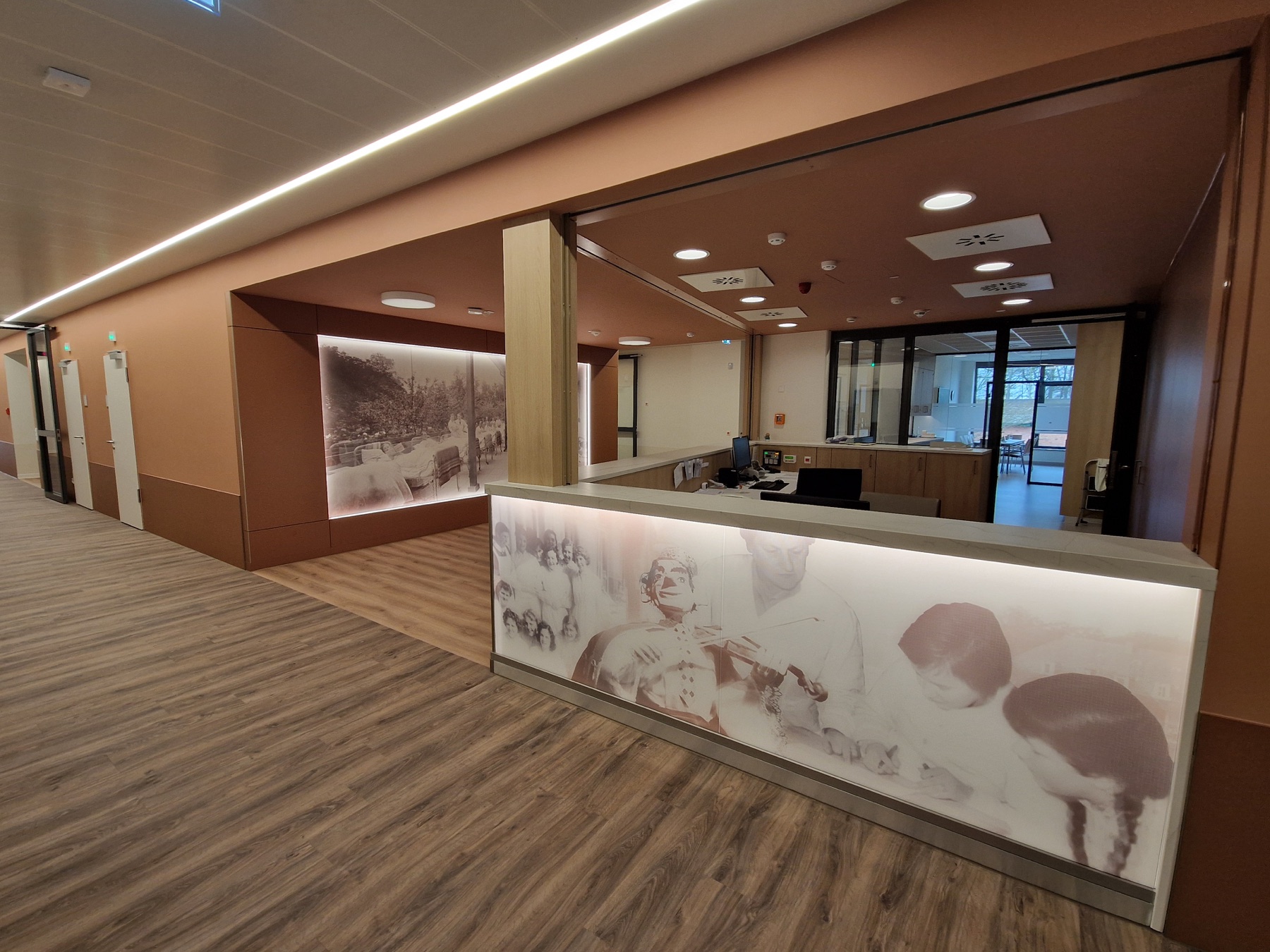
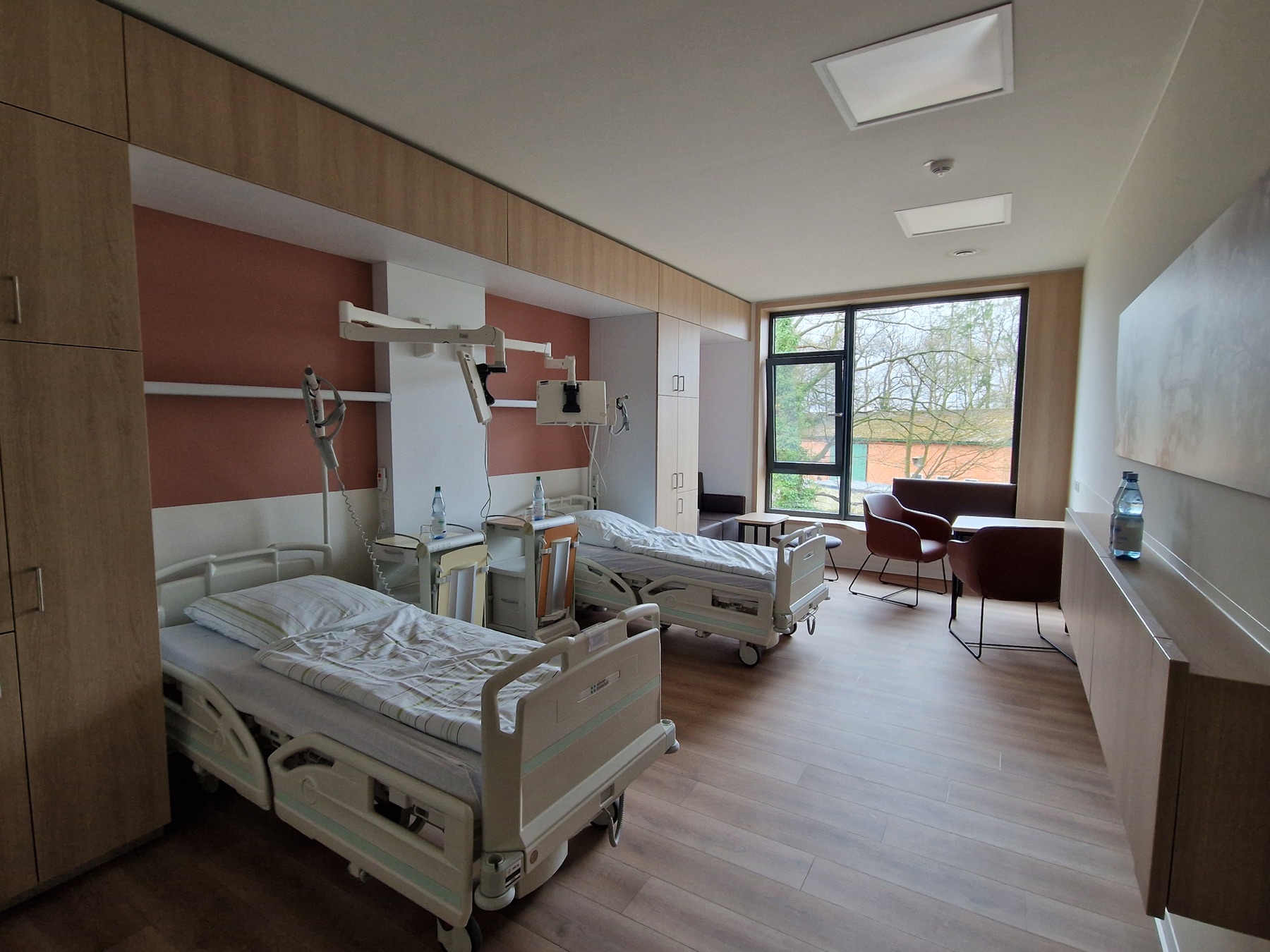
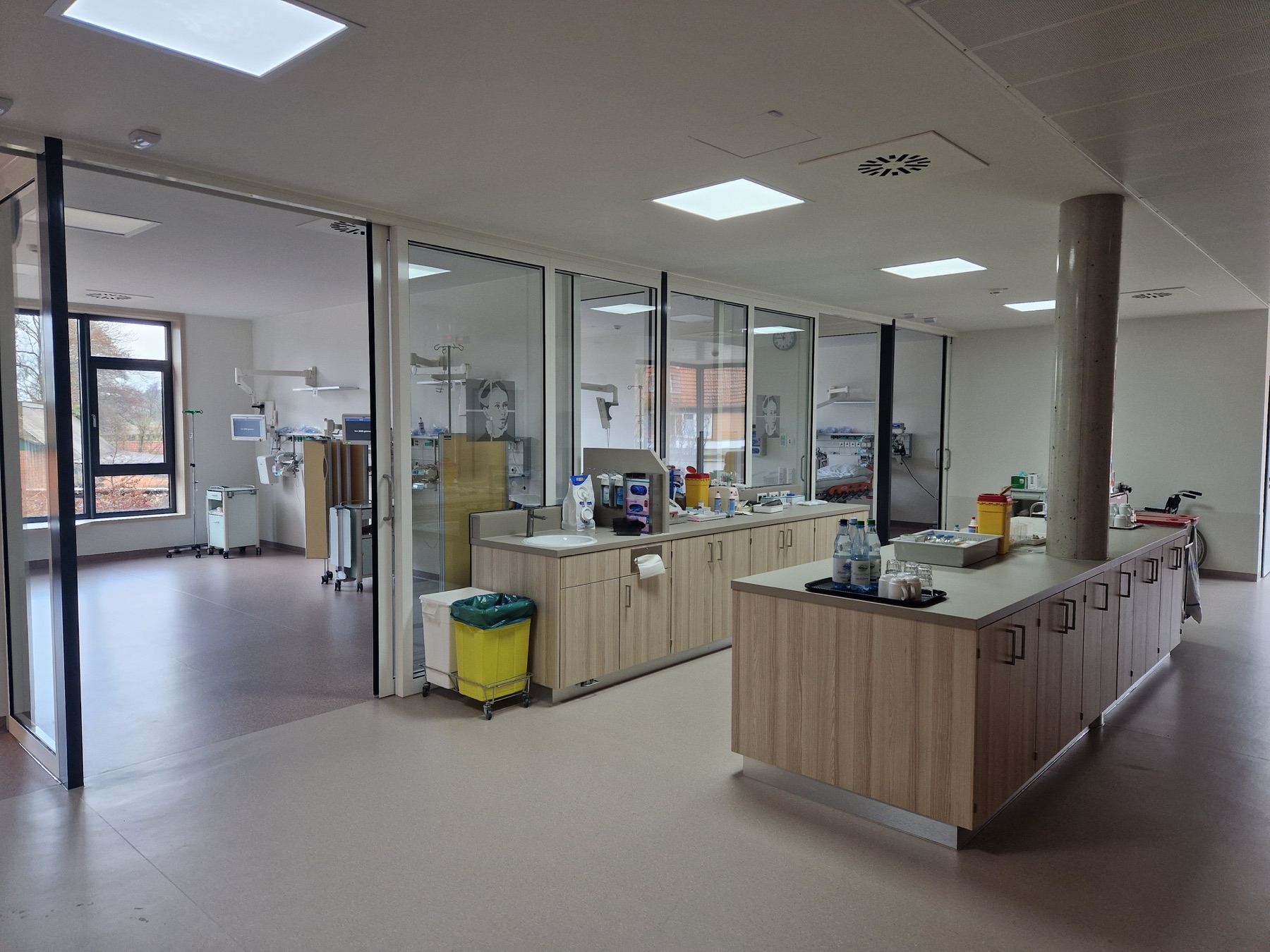
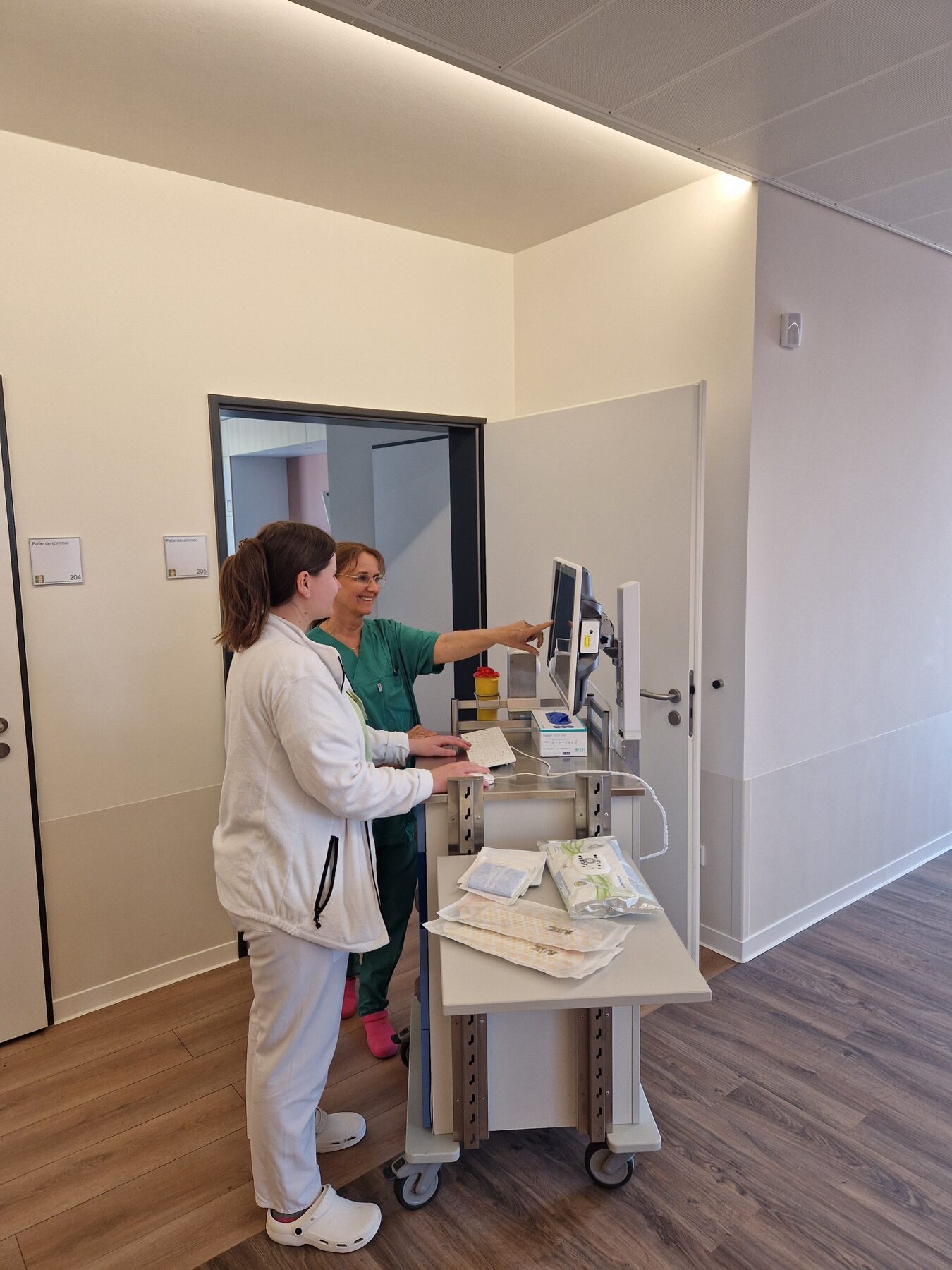
Inside STENUM
A comfortable, modern setting for orthopedic care
STENUM combines clinical facilities, inpatient rooms, rehabilitation support, and welcoming spaces designed for patients and their companions.

Ready for a free evaluation?
Submit your information and imaging for review by the surgical team. There is no charge for the evaluation and no obligation to proceed.